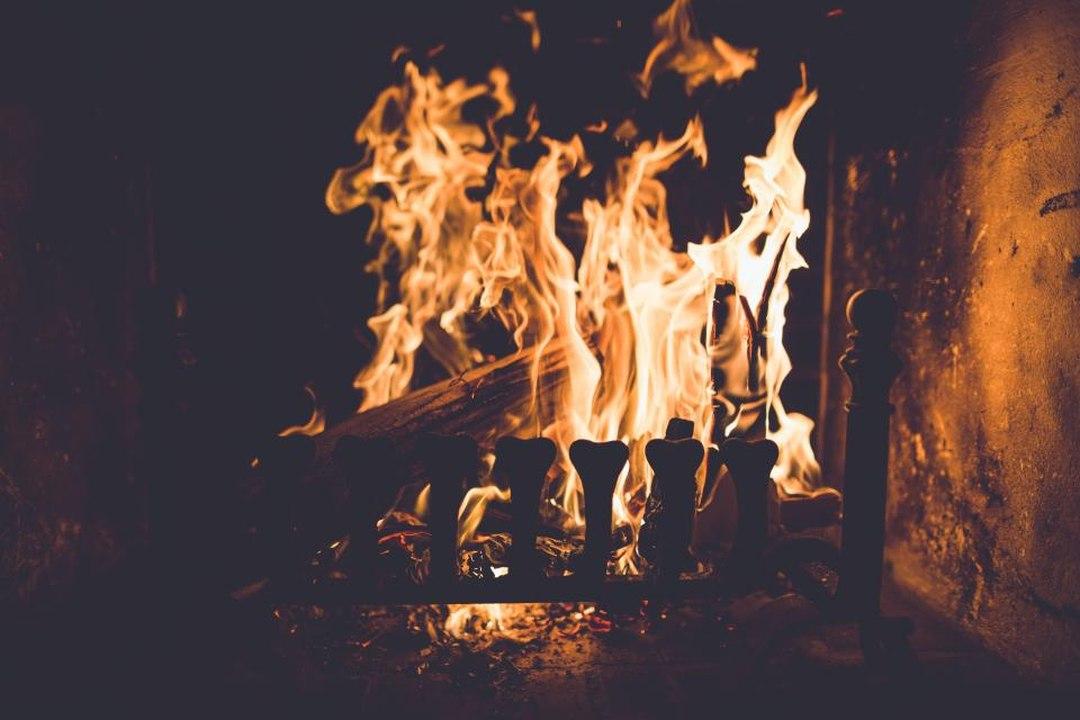
A fireplace older than the rulebook
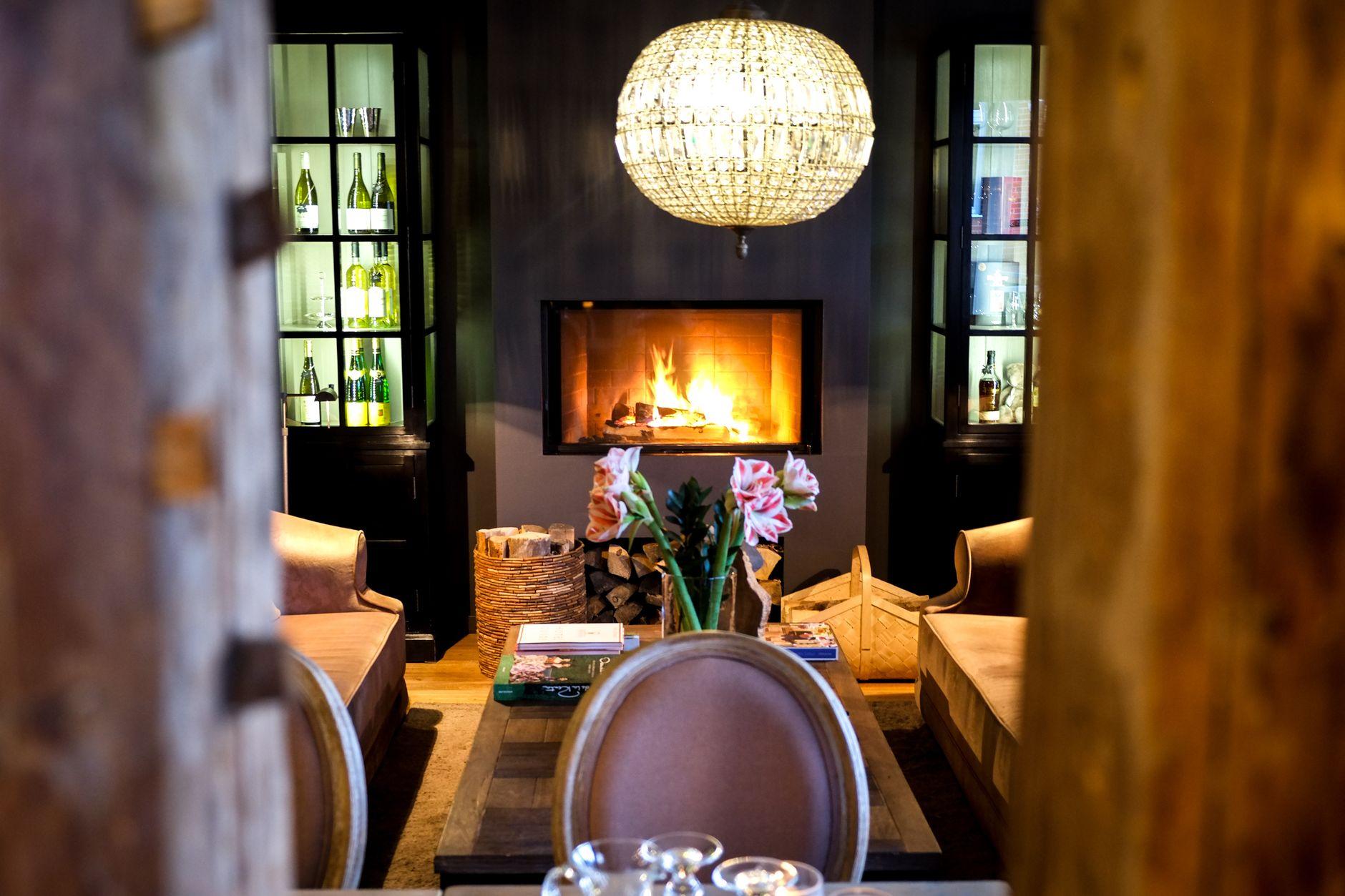
A fireplace built in Montebello in the 1930s was made by masons who had no national standard to follow and no factory parts to fit. The firebox walls might be common brick rather than firebrick. The damper is a cast iron plate on a hinge, often rusted half shut. The hearth in front may be a thin layer of tile over a wood subfloor. And the surround may be the finest thing in the room: hand-glazed tile, carved cast stone, or plaster painted over six times.
Hiring for that fireplace is not like hiring for a modern one. You want a crew that fixes what is unsafe and leaves everything else looking as it always has. This post covers what that crew should do, what it costs, and what to hear from anyone before they take a chisel to the firebox.
What usually needs work
On the older fireplaces we see across Montebello and San Gabriel, the repairs fall into a few groups:
- Firebox joints that have burned out, leaving gaps where heat reaches the framing behind
- Cracked or spalled brick on the back wall, where the fire hits hardest
- A damper that will not close, will not open, or has rusted through
- A hearth slab cracked across, or tile lifting off the hearth
- Loose or broken tile around the opening
Some of these are cosmetic. Burned-out joints and a cracked hearth are not: both can let heat or embers reach wood.
What a good crew does differently with original work
The test of a fireplace crew on an old house is what it chooses not to replace. A worn back wall can be relaid in new firebrick set in refractory mortar without disturbing the face of the fireplace. A seized damper can often be freed and adjusted instead of cut out. When it cannot, a damper fitted at the top of the chimney does the same work, and the old plate stays where it is.
Surround tile is where care matters most. Tile from the period is rarely made anymore. A careful crew lifts a loose tile whole, cleans the back and sets it again. When a tile is broken past saving, we look for a salvaged match or suggest a deliberate contrast, because a near miss looks like a mistake.
The same goes for the hearth. An old hearth can often be kept by lifting the tile, putting in a proper noncombustible base underneath, and setting the original tile back on top. That costs more than new tile from a store, and it keeps the room as it was built.
What it costs
Fireplace repair on an older house has no single price, because no two fireboxes wear the same way. What we can price before the visit:
| Visit | Price |
|---|---|
| Fireplace and chimney looked over, no camera | $56 |
| The same, plus a camera through the full flue | $405 |
| Sweep, so the firebox can be seen clean | from $435 |
The repair itself gets a written scope after the visit, line by line: firebox joints, brick to replace, damper work, hearth and tile. You see the price of each line and can choose which to do now and which to leave for later.
The next step for an older fireplace
If yours needs work, send the form with the address and a sentence on what is wrong: smoke rolling into the room, a stuck damper, loose tile, or a crack across the hearth. We plan the visit around what you tell us.
Five things to hear from whoever you hire
Before anyone works on an original fireplace, you should hear clear answers on these:
- That they will sweep and inspect before quoting, so the price reflects the firebox under the soot
- Which mortar goes into the firebox, and that it is made to take fire
- Whether the damper can be kept, and if not, what replaces it
- How the surround, the floor and the room will be protected while they work
- What happens if a tile breaks during the job
A crew that wants to rip out the whole firebox before looking inside is selling a job, not a repair.
Signs a repair is past due
Owners of older houses often live with a fireplace quirk for years. A few are worth acting on before the next fire:
- Smoke that drifts into the room even with the damper open
- Daylight or mortar dust showing between firebox bricks
- A hearth that rocks or sounds hollow when tapped
- A damper handle that turns but the plate does not move
Each one points to a part that has stopped doing its job, and each is cheaper to fix early than after a season of use. On a house with original tile, waiting also puts the surround at risk: heat escaping through open joints can crack the tile from behind, and a tile cracked that way is seldom saved.
When converting makes more sense
Some owners decide the wood fireplace has done its time. A sealed gas insert set inside the old firebox, venting through its own pipe up the flue, costs $2,900 to $5,800 with us depending on the unit and the vent. It keeps the surround and the mantel and changes only what sits inside the opening. The chimney still needs a look first, because the vent depends on it.
Our fireplace repair page covers the work in more detail, the fireplace inserts page covers conversion, and our post on masonry repair costs on old brick deals with the outside of the stack.
Where to start
Langley Chimney Works repairs older fireplaces in Montebello, Pico Rivera, San Gabriel and Los Angeles. To have yours looked at, go to the contact page and tell us what the fireplace is doing.
Want This Looked at on Your Own House?
Langley Chimney Works looks the chimney over from firebox to crown, explains what the age of the house means for it, and puts each repair and its price in writing. Visits run from Montebello to Pico Rivera, San Gabriel and the Los Angeles neighborhoods nearby.