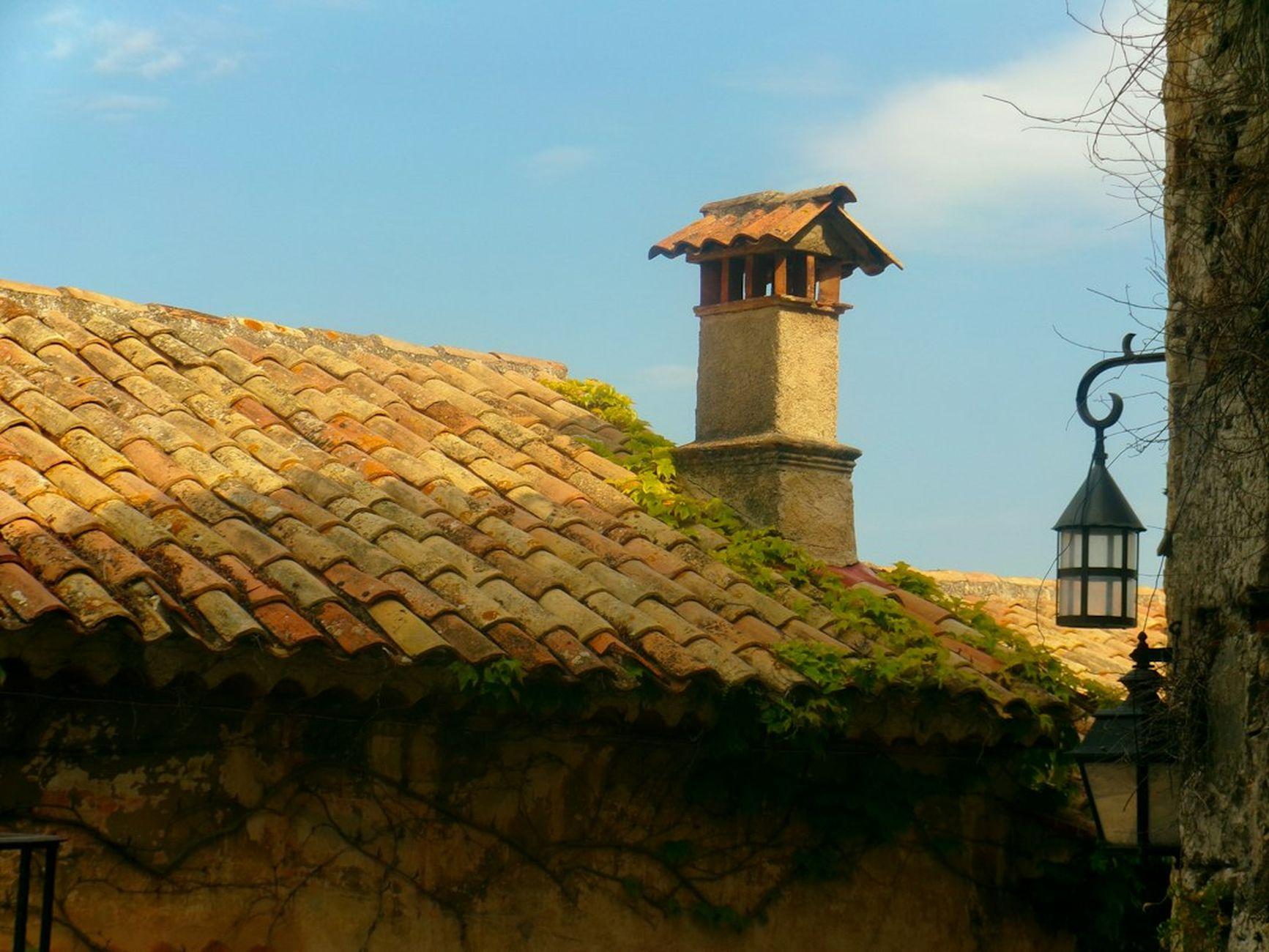
The line in the home inspection report
Most buyers of an older Montebello house reach us the same way. The general inspector climbed the roof, peered into the firebox, and wrote something close to "recommend evaluation by a chimney specialist". Now the buyer has a contract, a contingency period and a fireplace nobody can vouch for.
That note does not mean the inspector missed something. A chimney hides its condition inside a dark, narrow shaft that runs two or three stories through the house, and a whole-house inspection is not set up to look there. A Level 2 inspection is. It costs $405 with Langley Chimney Works, and it is the visit that tells a buyer what they are taking on.
What makes an older chimney different
Houses built from the 1920s through the 1950s carry chimneys from an era with different habits and far fewer rules. When we run the camera in one, we watch for things newer chimneys rarely have:
- No liner at all, so smoke and heat ran straight against the brick for decades
- Clay tiles set with gaps, or with the mortar long gone from between them
- Tiles knocked sideways in the 1987 Whittier Narrows earthquake, named for the river gap on the edge of town
- A smoke chamber above the damper built in rough, stepped brick that catches soot
- A cast iron damper rusted in place, or one cut out years ago and never replaced
Each of these changes what the fireplace is safe to use for, and several mean real money. A buyer is better off learning that while the contract still lets them act on it.
What the visit covers
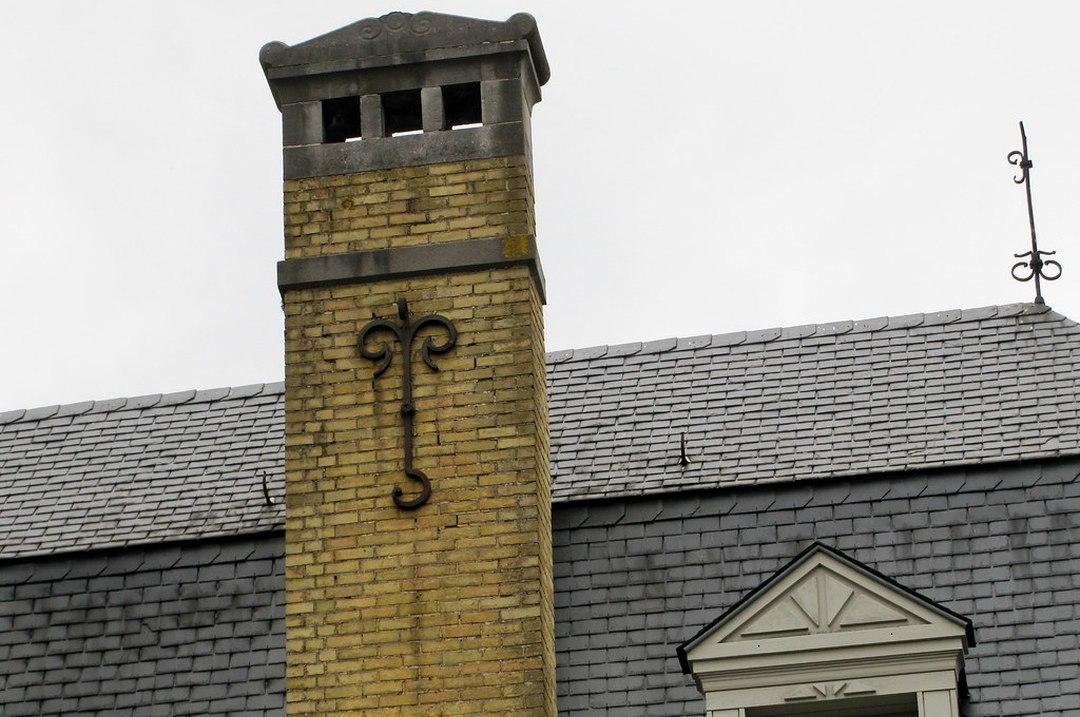
The Level 2 starts outside: the stack above the roof, the crown, the flashing where brick meets roofing, and any cap. Inside, we check the firebox and damper, then send the camera up the flue and record the whole run. Up in the attic, the wood framing next to the brick gets a look for scorch marks or old water stains.
The report lists each finding with a photo, where on the chimney it sits, and what it means for using the fireplace. Findings are sorted into three groups: stop using it until fixed, fix soon, and note for later. A buyer's agent can lift the report straight into a repair request without rewriting it.
Why not the cheaper visit
Our $56 Level 1 suits an owner who already knows the chimney's history and is not changing how it is used. A buyer knows neither. The faults that matter most in an old flue, the cracked tile, the missing liner, the offset joint, sit well above where a flashlight reaches. On a house you are about to buy, the camera visit is the one that fits.
Houses with two chimneys or a furnace flue
Some older Montebello houses have a second chimney for a back bedroom or a den, and some mid-century houses ran a furnace or water heater vent up the same masonry stack as the fireplace. Each flue is its own run on the camera and its own set of findings. When you send the listing, mention every chimney you can see in the photos, and we confirm what the visit will cover before we arrive.
When you cannot be there
Plenty of buyers of older houses here live elsewhere: moving for work, buying for a parent, or buying a rental. You do not need to be at the house. Your agent sets up access with the listing side, we do the work, and the report and video go to the email addresses you give us. If you want the findings in plain words, we can talk them through by phone afterwards. Our page on home sale chimney inspections covers that process in full.
Turning findings into a repair request or a credit
A Level 2 on an older house rarely comes back spotless. The useful question is what each finding costs. Where our price list covers the fix, the report gives the figure:
| What we found | Usual fix, our price |
|---|---|
| No cap, rain and debris down the flue | Cap fitted, quoted after we measure the flue |
| Stain on the ceiling beside the chimney | Leak traced and stopped, $580 to $3,450 |
| Wide chimney with water pooling behind it | Cricket built, $460 to $1,045 |
| The same, with worn-out flashing | Cricket and new flashing, $695 to $1,700 |
Repointing, relaying the top, crown work and relining depend on the scale of the damage. We write those up as a separate scope with a price beside each item, so the figures can go into the request as they stand.
Setting it up
If you are under contract on an older house, use the form with the property address, your agent's name, and the names and emails of whoever should get the report. We confirm the visit with your agent and with you.
What happens after closing
If you buy the house, the report becomes the starting point for its chimney. Our chimney repair page and the post on relining or rebuilding a clay flue cover the usual next steps for older flues. The Level 2 inspection page sets out the visit itself.
One more reason not to skip it
Older houses are often sold with a line such as "fireplace not tested" or "seller has not used fireplace". That shields the seller. It does not tell you whether the fireplace works or whether the flue can take a liner, and lining an old masonry flue is one of the larger chimney bills an owner can face. Spending $405 to know that before the money is committed is small against the price of a house.
Langley Chimney Works covers Montebello, Pico Rivera, San Gabriel and Los Angeles. Start on the contact page with the address and your agent's name, and we arrange the rest.
Want This Looked at on Your Own House?
Langley Chimney Works looks the chimney over from firebox to crown, explains what the age of the house means for it, and puts each repair and its price in writing. Visits run from Montebello to Pico Rivera, San Gabriel and the Los Angeles neighborhoods nearby.