A stack laid before anyone planned for shaking
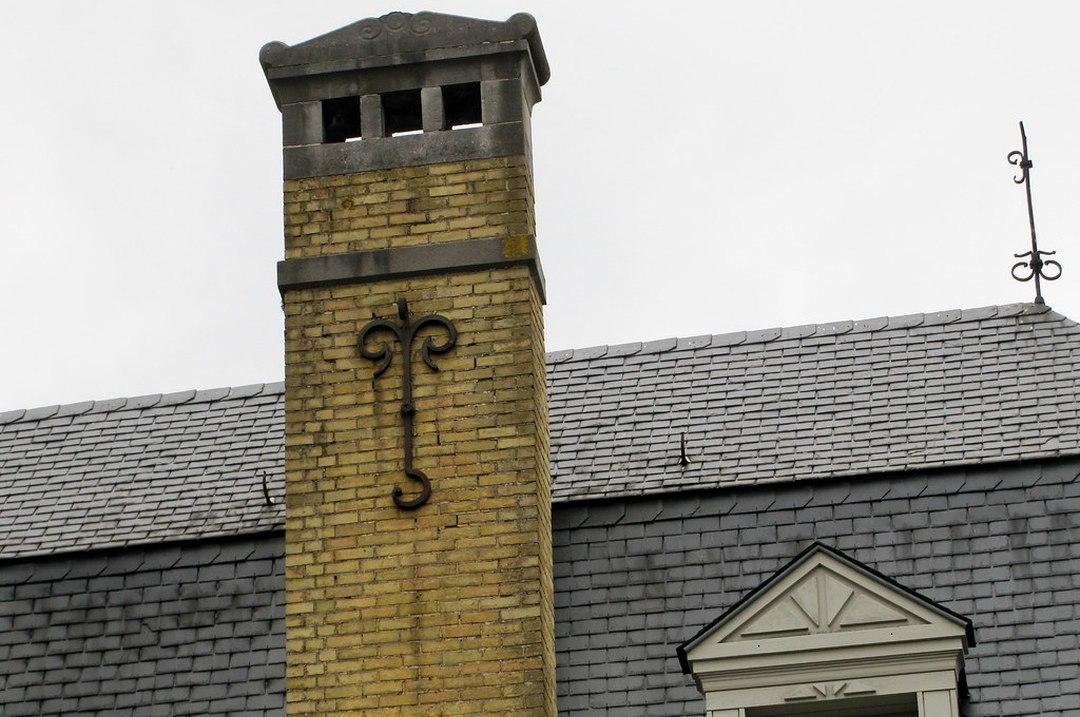
Most chimneys on Montebello houses built before the 1950s were laid without steel. The brick is held together by mortar and its own weight, and the stack touches the house framing without being fastened to it in any real way. On a calm day that is enough. In a hard jolt, the part above the roof behaves like a pile of books on a table someone has bumped: it rocks, the mortar at the roofline lets go, and the upper courses come down through the roof, onto a porch or across a driveway.
Montebello sits right beside the Whittier Narrows, the gap that gave the 1987 earthquake its name, and plenty of owners here remember what that looked like. A seismic retrofit is the work that keeps an older chimney standing, or replaces the part that will not stay up.
Langley Chimney Works carries out all three of the usual approaches. They are set out below in general terms; the right mix depends on the chimney, the house and how much of the original you want to keep.
Approach one: tying the stack to the house
The lightest option fastens the chimney to the house so it cannot pull away. Steel bands go around the chimney at one or more heights and are bolted back into the wall, floor or roof framing. The brick stays as it is. What changes is that it now rides along with the house rather than fighting it.
This fits a chimney whose brick and mortar are still sound and whose only problem is that nothing holds it in. From the yard it looks almost the same, with the steel painted to blend in.
Approach two: support above the roof
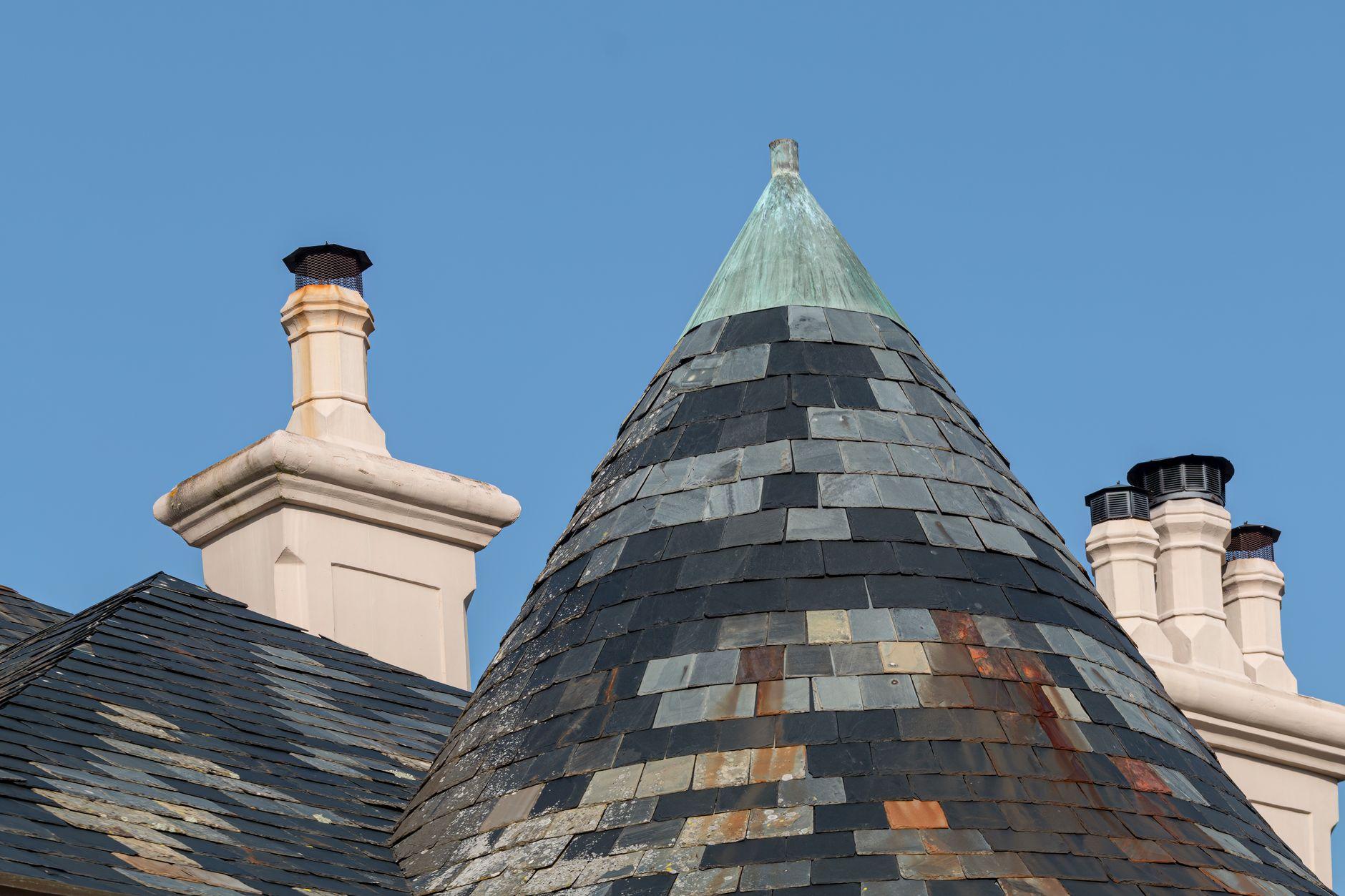
Where a tall stack rises well above the roofline, ties at the wall do little for the part up in the air. Support for that part is a steel frame or angle fixed high on the stack and anchored into the roof structure, giving the top a second point to hold on to. It shows from the street, so on older houses we place and paint it to sit as quietly as it can.
This fits a stack that is sound but tall and slender, and it is often paired with ties lower down.
Approach three: taking the top down and rebuilding it
When the brick above the roof is already loose, with open joints, shifted courses or a crack running across, wrapping it in steel only holds rubble together. The sounder answer is to remove that upper section and replace it. Some owners rebuild in brick with steel reinforcing set into the new courses. Others replace the top with a lighter framed chase finished to match the house, with a metal flue inside. Less weight swinging over the roof means less to fall.
On an older house a brick rebuild keeps the character of the place. We salvage the original brick where it cleans up well, so the new top matches the old base.
Which approach fits which chimney
- Sound brick, short stack: ties to the framing are usually enough
- Sound brick, tall stack: ties plus support above the roof
- Loose or cracked brick above the roof: rebuild the top, with or without ties lower down
- A chimney that no longer serves a fireplace: some owners take it down below the roofline and close it off, which removes the weight altogether
What decides the price
Seismic work has no list price, because no two chimneys carry the same weight or the same damage. The figure in our written scope comes from:
- How tall the stack stands above the roof, and how wide it is
- The state of the brick and mortar, seen up close and on camera
- How many levels of ties the house needs and what framing they can bolt into
- Whether the top gets support, a brick rebuild or a framed chase
- What the roof is covered with and how much of it has to be opened and patched
- Whether the flue inside needs a liner at the same time
A Level 2 inspection at $405 usually comes first. Quake damage often hides inside: tiles knocked out of line or cracked well below what anyone can see from the roof, and that changes which approach makes sense.
For a scope on your chimney, request a visit through the form and tell us how high the chimney rises above the roof, whether it still serves a fireplace, and whether you have noticed cracks or a gap opening at the wall. We plan the visit and bring the camera.
What this page does not claim
We describe these options in plain terms only. Whether a given retrofit meets a city requirement or qualifies for any program is for that city or program to decide. If you are applying to one, we can supply the scope and photos it asks for.
When to do the work
The time to secure a chimney is before the next strong quake, not after it. A cracked stack after an earthquake is a hazard to anyone near the house, and the repair then is often a full top rebuild that ties or support could have spared you. If the top of the chimney is due for other work, such as a cracked crown or loose upper courses, doing the seismic work in the same visit saves a second round of ladders and roof patching.
The chimney seismic retrofit and chimney rebuilds pages cover the work in more detail, and our post on masonry repair costs on old brick explains how the brickwork side is priced.
Starting the conversation
Langley Chimney Works plans seismic work on older chimneys in Montebello, Pico Rivera and San Gabriel. The contact page is the place to begin: describe the stack, and we arrange the visit.
Want This Looked at on Your Own House?
Langley Chimney Works looks the chimney over from firebox to crown, explains what the age of the house means for it, and puts each repair and its price in writing. Visits run from Montebello to Pico Rivera, San Gabriel and the Los Angeles neighborhoods nearby.